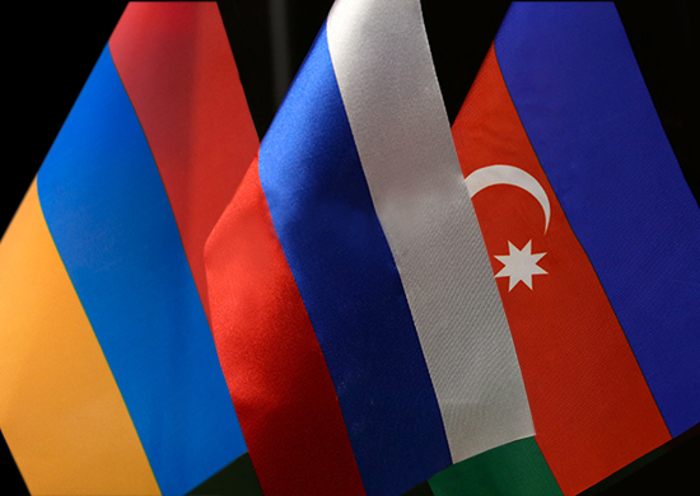
On 2 June, trilateral consultations between representatives from Armenia, Azerbaijan and Russia resumed after the start of the border crisis. The representatives of the three parties discussed ways to de-escalate the situation in certain border-adjacent areas in Armenia and Azerbaijan. The sides “agreed to continue working contacts,” one source said.
On the same day, the Armenian Ministry of Defence (MOD) stated that another incident occurred in the border area of Armenia’s Gegharkunik province, were two Armenian servicemen received light injuries. The ministry also reported that no guns were used during the incident and that it was settled with the efforts of superior commandership.
The Azerbaijani Ministry of Foreign Affairs (MFA) urged Armenia to adhere to principles of international law and refrain from unnecessary escalation of tension at the border and to stop its provocations. This followed reports by the Azerbaijani MOD where they stated that 40 Armenian servicemen entered Azerbaijan’s Kalbajar district, but were pushed back. The Armenian MOD refuted this information.
The President of the EU Council Charles Michel called Armenia’s acting Prime Minister Nikol Pashinyan and Azerbaijan’s President Ilham Aliyev to discuss the border tensions. Michel called on Armenia and Azerbaijan to fully comply with a Russian-brokered agreement that stopped their war over Nagorno-Karabakh last November.
A spokesman for Michel said he also told the two statesmen that the EU was “ready to provide expertise on border delimitation and demarcation and to support confidence building.” “The European Union also encourages both parties to cooperate, as matter of urgency, on the return of detainees and full transparency with regard to mine fields, and other important humanitarian issues,” the official, Barend Leyts, added in a statement. “The EU is providing almost 20 million euros ($24.4 million) in humanitarian assistance and will continue to be engaged,” he added.
Pashinyan stressed in the call the need for Azerbaijani troops to leave the territory of Armenia. He also called for an “adequate” international reaction to “Azerbaijan’s provocative actions.” It said he also discussed with Michel the possible deployment of international observers along contested sections of the border which he proposed on 27 May (Caucasus Watch reported).
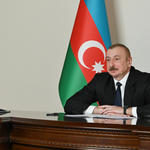
Aliyev noted that Azerbaijan was ready to start negotiations to sign a peace agreement with Armenia, but Yerevan still has not responded to this call. Michel called on both sides to negotiate in a constructive manner.