Georgien stuft Gasversorgung aus Aserbaidschan sicherer ein als russische Quellen

Georgien stuft Gasversorgung aus Aserbaidschan sicherer ein als russische Quellen

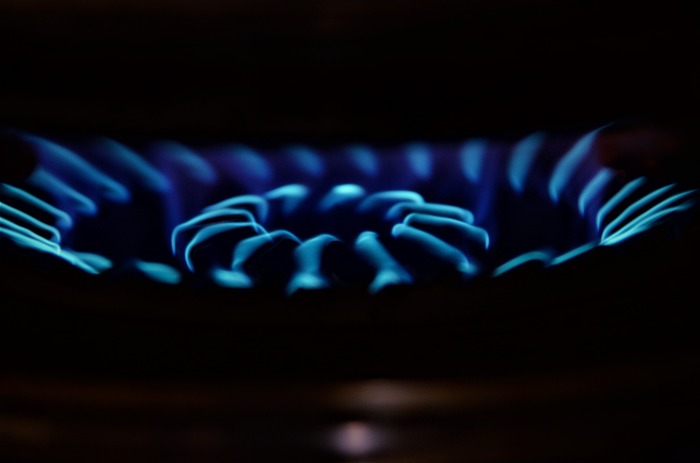
Georgiens frisch genehmigte Erdgasbilanz für 2018 legt offen, dass Georgien in diesem Jahr kein Erdgas aus Russland kaufen wird. Demnach wechselt Georgien vollständig auf die Gasversorgung aus Aserbaidschan. Aserbaidschans staatlicher Ölkonzern SOCAR und das Konsortium für die Entwicklung des Gasfeldes „Shah Deniz“ werden im Jahr 2018 Gas nach Georgien liefern. Im einzelnen soll Georgien 2,680 Milliarden Kubikmeter Gas aus Aserbaidschan erhalten, wovon 1,866 Milliarden Kubikmeter von SOCAR und 813,9 Millionen Kubikmeter vom Feld „Shah Deniz“ kommen sollen. Nur 9,4 Millionen Kubikmeter werden vor Ort gefördert abgebaut. Zuvor hatte Georgien zehn Prozent des nach Armenien geleiteten russischen Gases als Bezahlung für den Transit über sein Territorium einbehalten. Im Jahr 2016 verzögerte sich die Vertragsverlängerung bis April, da Gazprom auf einer Geldzahlung für den Transit beharrte. Im Rahmen der Vereinbarung zwischen dem georgischen Energieminister und dem russischen Energieriesen Gazprom Ende 2016 wird Georgien ab 2017 für den Gastransit nach Armenien schließlich in bar bezahlt.
3816 Mal angesehen

ARTICLES IN ENGLISH»


MEISTGELESEN


AKTUELLES


OPINION


Call for Contributors: Caucasus Watch is looking for experts, journalists and fact-checking specialists!

“Caucasus Watch” is seeking local specialists from Georgia, Armenia, Azerbaijan and the North Caucasus region, to assist our research endeavours and help enrich our content.

“Caucasus Watch” is an independent platform, which provides coverage of recent developments in various locations of the Caucasus region for the German and overall European stakeholders. We are an international team of Caucasus enthusiasts and are currently looking for local contributors who focus on social, economic, political and security dynamics of the said region.

The platform offers: I) a flexible format of cooperation, as well as competitive remuneration; II) access to English and German speaking readership in the wider European region; III) an opportunity to join the network of regional specialists through the initiatives and events to be organized by the Caucasus Watch and partner institutions.

Interested individuals are asked to provide a CV and a cover letter along with an abstract or a writing sample (in English or German), to the following address: redaktion@caucasuswatch.de.

Additional questions can be directed to Igor Dostalik through: i.dostalik@caucasuswatch.de.