Armenia has responded to Azerbaijan's proposal for basic principles of peace between the two countries, according to the website of the Armenian Foreign Ministry.
Yerevan also announced that it had appealed to the OSCE Minsk Group co-chairs to hold talks on signing a peace agreement with Azerbaijan.
When asked about is Armenia's answer and if it accepted Azerbaijan's proposal, the Azerbaijani Foreign Ministry responded to these questions by saying "we have no other information."
Azerbaijan says its proposals were submitted to Armenia by "mediators" - although the identities of these mediators have not been disclosed, it is clear from the statement of the Armenian Foreign Ministry that the mediator between official Yerevan and Azerbaijan is the OSCE Minsk Group.
The Armenian Foreign Ministry said that they responded to the proposals within the framework of the UN Charter, the Convention on Political and Civil Rights and the Helsinki Final Act.
Azerbaijan says that if Armenia accepts the basic principles set by it, then they can start peace talks.
"It is on the basis of these basic principles that the two countries can conclude a bilateral peace agreement through intensive, substantive and result-oriented negotiations," the Azerbaijani Foreign Ministry said.
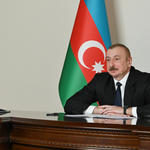
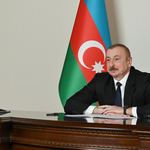
Azerbaijani Foreign Minister Jeyhun Bayramov said in a speech at the Antalya Diplomatic Forum last week that Azerbaijan had sent a proposal to Armenia on the basic principles of "establishing relations between the two countries."
Armenian analyst for the South Caucasus Benjamin Poghosyan believes that if Armenia agrees to the first of the basic principles proposed by Azerbaijan, "that is, recognises Nagorno-Karabakh as part of Azerbaijan," then Azerbaijan may be ready to start discussions on the rights of the Armenian population of Karabakh.
"I do not rule out that Azerbaijanis will be ready to enter into a dialogue with us about the rights of Armenians living in Artsakh (Karabakh)," he said.
"If Armenia recognises Karabakh as part of Azerbaijan, then Azerbaijan will also discuss what additional rights Azerbaijani citizens of Armenian descent may have - Azerbaijan will say, ok, Karabakh is Azerbaijan, we understand that Armenian citizens live there, but Azerbaijan is so open… Maybe there will be education in Armenian or an hour-long program in Armenian on Stepanakert/Khankendi radio - it will give them some rights," he added sarcastically.
Earlier, the Azerbaijani Foreign Ministry announced the following basic principles:
• Mutual recognition of each other's sovereignty, territorial integrity, inviolability of international borders and political independence;
• Mutual confirmation that states do not have territorial claims against each other and that they have a legal obligation not to file such claims in the future;
• To refrain from threatening each other's security in interstate relations, from using threats and force against political independence and territorial integrity, as well as from other circumstances incompatible with the purposes of the UN Charter;
• Delimitation and demarcation of the state border, establishment of diplomatic relations;
• Opening of transport and communications, establishment of other relevant communications and cooperation in other areas of mutual interest.