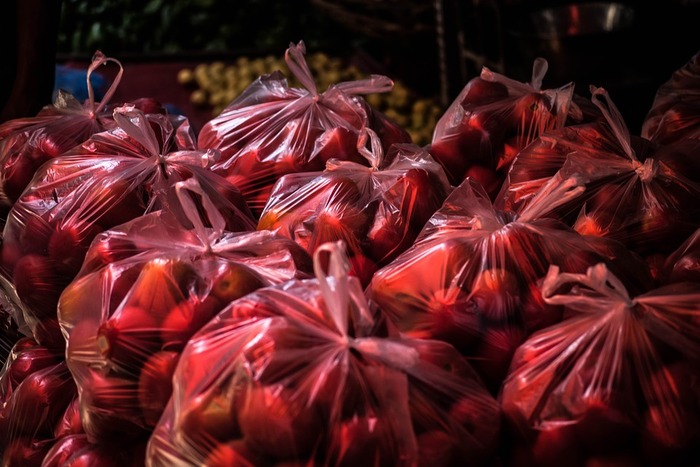
Plastiktütenverbot in Georgien in Kraft getreten

Plastiktütenverbot in Georgien in Kraft getreten

Seit dem 1. April ist die Verwendung, der Import und die Herstellung von Plastiktüten in Georgien verboten, berichtete Agenda.ge.

Der Vorstoß für ein Verbot von Plastiktüten kam am 1. Oktober 2018, als die Regierung die Herstellung von Säcken mit einer Dicke von mehr als 15 Mikron untersagte. Ab jetzt werden jedoch alle Größen verboten. Als Ersatz werden neue biologisch abbaubare Taschen verwendet, die von Bakterien oder anderen lebenden Organismen zersetzt werden können.

Für alle Unternehmer in Georgien, die noch Plastiktüten herstellen oder importieren, wird eine Geldstrafe von 500 GEL (165,39 Euro) verhängt. Bei wiederholter Straftat wird ein Bußgeld in Höhe von 1000 GEL (330,79 Euro) verhängt.

Das georgische Ministerium für Umweltschutz und Landwirtschaft erklärte, dass diese neuen Vorschriften aufgrund der negativen Auswirkungen von Plastiktüten auf die Umwelt in den letzten Jahren erlassen werden mussten. Ein Bericht aus dem Jahr 2014 besagt, dass in Georgien jährlich 525 Plastiktüten pro Bürger verwendet werden, während es in Dänemark oder Finnland nur vier waren. 

9851 Mal angesehen

ARTICLES IN ENGLISH»


MEISTGELESEN


AKTUELLES


OPINION


Call for Contributors: Caucasus Watch is looking for experts, journalists and fact-checking specialists!

“Caucasus Watch” is seeking local specialists from Georgia, Armenia, Azerbaijan and the North Caucasus region, to assist our research endeavours and help enrich our content.

“Caucasus Watch” is an independent platform, which provides coverage of recent developments in various locations of the Caucasus region for the German and overall European stakeholders. We are an international team of Caucasus enthusiasts and are currently looking for local contributors who focus on social, economic, political and security dynamics of the said region.

The platform offers: I) a flexible format of cooperation, as well as competitive remuneration; II) access to English and German speaking readership in the wider European region; III) an opportunity to join the network of regional specialists through the initiatives and events to be organized by the Caucasus Watch and partner institutions.

Interested individuals are asked to provide a CV and a cover letter along with an abstract or a writing sample (in English or German), to the following address: redaktion@caucasuswatch.de.

Additional questions can be directed to Igor Dostalik through: i.dostalik@caucasuswatch.de.