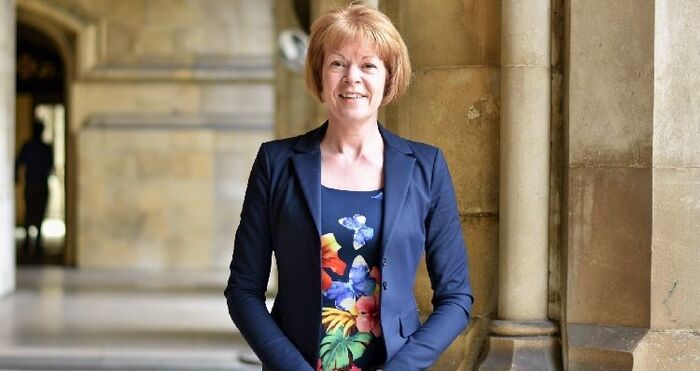
On 15-17 February, the United Kingdom's Minister for European Neighbourhood and the Americas Wendy Morton visited Georgia and Armenia where she met with the countries’ top officials.
In Georgia, Morton met with the country’s Prime Minister Giorgi Gakharia, Foreign Minister David Zalkaliani and parliament speaker Archil Talakvadze. The Georgian Foreign Ministry reported that the main topics of the meeting between Morton and Zalkaliani were cyber security, regional issues, occupation issues and the Covid-19 pandemic.
At the meeting with Gakharia, the Georgian prime minister raised the issue of the “severe humanitarian crisis” in Georgia’s Russian-occupied regions of Abkhazia and Tskhinvali (South Ossetia) and the recent illegal conviction of Georgian citizen Zaza Gakheladze by the separatist forces. In addition, Georgia’s role in the Black Sea region was discussed. Morton also visited the occupation line in central Georgia, near the country’s Russian-occupied Tskhinvali region. She tweeted that barbed wire fences were a “stark reminder of how Russia’s military presence in Georgia continues to harm civilians.”
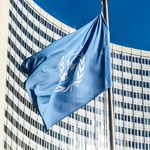
During her visit to Yerevan, Morton met with the country’s President Armen Sarkissian and Foreign Minister Ara Ayvazyan. Morton opened the new British Embassy office in Yerevan with Deputy Foreign Minister Adonts, as a symbol of the strengthening links between the people of the UK and Armenia. She also welcomed a new partnership between the UK, UNICEF and the UN Development Programme, which will support the economic and social resilience of communities in Vayots Dzor, Gegharkunik and Syunik provinces who have been particularly affected by Covid-19 and the Second Karabakh War. “The UK is committed to our enduring friendship with Armenia. I look forward to meeting Foreign Minister Ayvazyan and President Sarkissian to discuss the many opportunities for our countries to work together to tackle global challenges such as climate change and Covid-19,” Morton said.
In addition, Morton highlighted how the UK and Armenia could work together to drive further progress, including through measures to help small businesses grow and supporting Armenia’s National Assembly to become a more modern and transparent institution. The Minister also visited Vanadzor Technology Centre to meet female entrepreneurs and women involved in business and innovation in Armenia, who the UK has supported and empowered through its Good Governance Fund.
At the meeting with Ayvazyan, the parties exchanged views on the prospects of expanding cooperation within the spheres of mutual interest, highlighting the following areas as the prior directions: information technologies, creative education, sustainable energy and tourism. In the course of the meeting the sides touched upon the issues of regional security and stability. Morton reiterated UK’s support for the work of the OSCE Minsk Group co-chairs towards a real and lasting peace settlement in Nagorno-Karabakh.
The UK neighbourhood minister also visited Azerbaijan where the topics of cooperation in green energy and tackling climate change, as well as advancing the rights of women and countering gender-based violence were discussed (Caucasus Watch reported).