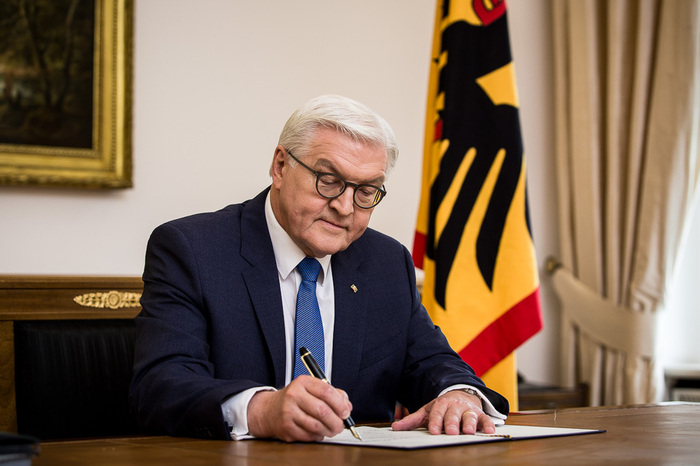
On 4 October, Georgian Minister of Foreign Affairs Davit Zalkaliani shrugged off Radio Free Europe’s speculations that the upcoming visit of Germany’s President Frank-Walter Steinmeier on 6 October had anything to do with a new peace plan for the separatist territories of Abkhazia and Tskhinvali (South Ossetia). “Steinmeier has no initiatives about the resolution of conflicts in Georgia, this is merely speculation,” Zalkaliani claimed, and added that the visit of the German President was planned during Georgian President Salome Zourabichvili vist to Germany.
Speculation began circling after Steinmeier’s peace proposal for Ukraine was accepted by Ukrainian President Volodir Zelenskiy. The plan (also called the Steinmeier formula) called for elections to be held in the separatist-held territories of Donetsk and Luhansk, but under Ukrainian legislation and the supervision of the OSCE. The plan was signed by the Zelenskiy and welcomed by the Russian authorities, which resulted in protests in Kiev, as it was seen as an act of capitulation.
As Georgia's conflict has similar features to the conflict in Ukraine, the speculation logically followed that Steinmeier would present his formula to Georgia as well. To make things more obvious for such a speculation to circle around, it is not the first time that Steinmeier was engaged in the resolution of the Georgian-Russian conflict. At the outbreak of the conflict in 2008, Steinmeier acting as the German Minister of Foreign Affairs presented a three-step peace plan for the resolution of the conflict in Abkhazia. The first stage of the plan foresaw confidence-building measures and bringing the conflicting parties back to the negotiating table. The second stage foresaw economic reconstruction of Abkhazia. And only in the third stage it looked to deal with the conflict itself and address the issue of Abkhazia's status. The plan also called for approximately 250,000 Georgians who were displaced by the conflict to return to Abkhazia.
The Georgian authorities at that time said that they were committed to not using force, but added that signing such an agreement with Abkhazia could constitute a de facto recognition of the region's independence.
The Russian Foreign Minister Sergey Lavrov called this plan “extremely helpful for looking for compromises and a way out of the crisis,” but added that there is “a problem with wanting to sign at the same time an agreement on not resorting to violence and another on the return of refugees,” saying that such a plan was “absolutely unrealistic”. The at the time de-facto President of separatist Abkhazia Sergey Bagapsh also called the plan being “unacceptable” and that the return of Georgian refugees would certainly spark a new war on the breakaway territory.