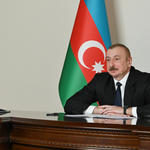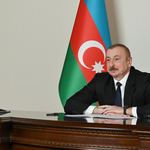
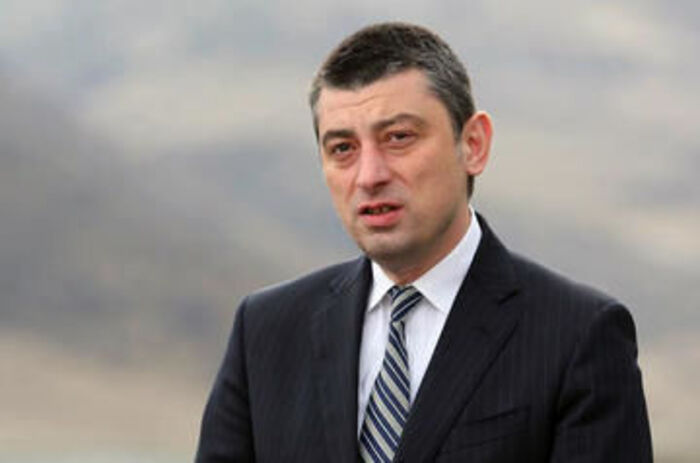
On 27 May, Georgia’s Prime Minister Giorgi Gakharia delivered a report to Parliament on COVID-19 and the government’s effort to manage it.
In his report, he emphasized that the epidemiological situation in the country is fully under control. Gakharia stated Georgia has the lowest number of deaths per 100 of its inhabitants among 49 European countries and that the country ranks 123rd worldwide in terms of epidemic rate. He also noted that the country’s successful fight against the virus was the merit of the government as well as of businesses and, first of all, of the citizens of Georgia. The Prime Minister pledged that medical workers who are involved in the fight against the coronavirus will receive financial assistance.
Gakharia also emphasized that through the work of his government, up to 13,000 citizens of Georgia came home from abroad and that the diplomatic missions provided assistance to up to 22,000 Georgian citizens abroad. He further elaborated that the process of providing assistance to those who lost jobs during the pandemic would start this week. In accordance to the plan the government will provide assistance to citizens who lost their jobs due to the pandemic with 1200 lari over six months, meaning they will receive GEL 200 in financial assistance per month.
Speaking on Georgia’s internal successes, Gakharia said that the country ranked second in terms of bureaucratic expenditures compared to GDP based on official International Monetary Fund (IMF) data. He further stated that even after the declaration of the state of emergency, about 65 000 companies continued to operate. “No agricultural enterprises, systemic infrastructure projects or systemic industrial companies were shut down,” he stressed.
A special mention was also given on the role of religious institutions in combating the virus. “Religion was the red line that I think not the government, but the country [and] its citizens, have passed,” Gakharia said, emphasizing that even after Easter night, the country did not see an explosion of Covid-19 cases (Caucasus Watch reported).
A day later, Gakharia presented the fourth anti-crisis plan worth 434 million lari and aimed at supporting Georgia’s construction and development sector. He said that the construction and development sector was one of the fastest growing sectors and it employed 120 000 people in 2019. He also said that the anti-crisis plan will also support related businesses such as the production of construction materials, furniture manufacturing and trade in various equipment.
The main challenges the construction and development sector faces and the anti-crisis plan aims to overcome are: 1) declining sales of residential apartments; 2) possible fluctuations in prices of residential apartments; 3) increased risk of incomplete constructions; and 4) decreased access to finances for development companies
The key points of the plan are: 1) state subsidizing of interest rates of mortgage loans; 2) the state would issue loan guarantees to mortgage loans; 3) the state would spend 150 million lari to buy about 1,800 apartments planned for IDP families; and 4) state insurance of the completion of the ongoing constructions.
The current tally of infected persons in Georgia stands at 746, with 12 reported deaths.