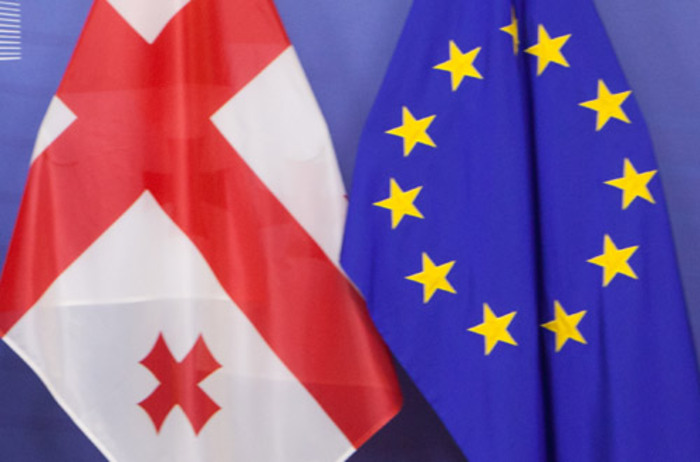
On 10 July, the EU Commission released its annual assessment of the fulfilment of the visa liberalisation requirements for non-member states. According to the report, Georgia has taken actions identified in the Second Report and the visa liberalisation benchmarks continue to be met.
“Despite the decrease in the return rate, good cooperation on readmission continued and should be maintained. While concrete measures have been put in place to address irregular migration and crime related challenges, further immediate action is needed to address these challenges, in particular the increasing numbers of unfounded asylum applications,” the report further emphasized.
As for the numbers, the report outlined that between 2018 and 2019, the number of refusals of entry for Georgian nationals in the Schengen increased by 17% (from 3,805 to 4,435, and the number of Georgian nationals found to be illegally staying increased by 26% (from 9,400 to 11,845). For the third year in a row, Georgia continued to be the main country of origin of applicants among visa free Eastern Partnership countries. The asylum recognition rate decreased to 4.1% in 2019 (compared to 4.7% in 2018). In the first quarter of 2020, 3,795 asylum applications were reported, 42% less than in the same period of 2019.
The report stated that unfounded asylum applications lodged by Georgian citizens to EU Member States and Schengen-associated countries remains an issue that requires ongoing and substantial efforts by the Georgian authorities. Asylum applications are often abused for the purpose of seeking medical care in the EU.
Organised crime groups from Georgia continue to be reported as highly active within the Schengen+ area and play a significant role in organised property crimes. The report said that Georgian organised crime groups have changed their activities in several EU Member States from domestic burglaries to organised shoplifting. Also, it was highlighted that Georgian cybercriminals were involved in the international GozNym criminal network dismantled in May 2019 by an international law enforcement operation supported by Europol.
The report also highlighted that Georgia has reinforced its cooperation on international law enforcement with Europol and strengthened the network of Georgian police attachés in the EU. In the area of border management Georgian authorities stepped up their cooperation with Frontex. The Georgian government has conducted three rounds of information campaigns to increase the awareness of the population about the rules of visa-free travel to the EU. The third round was specifically targeted to potential asylum seekers, stressing the responsibility of each Georgian national to comply with the rules of the visa free regime.
The other two Eastern Partnership countries (Moldova and Ukraine) which have visa-free travel to the Schengen area have also fulfilled their benchmarks set by the EU commission.