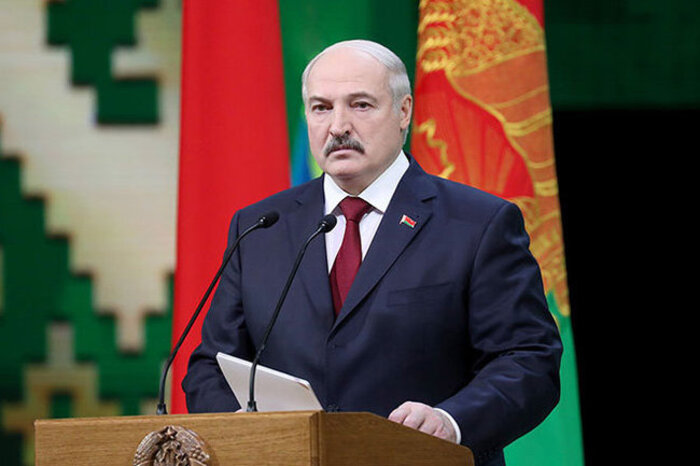
Following the controversial victory of the Belarusian President Alexander Lukashenko in the presidential elections, many governments of the post-soviet countries congratulated the Belarusian leader on his success. However, the Georgian leadership was more reluctant on this matter, implying that political motives were behind Georgia’s reluctance.
According to the Georgian political analyst Gela Vashadze there is a difference of perception between the people of Georgia and the government, which averted the Georgian government to cautiously approach the matter. “The liberal part of Georgain society, which receives information mainly from TV and social networks, is worried about the fact that Lukashenko, whom they call „the last dictator of Europe“ has won, gives a fairly straightforward assessment of these elections, condemning them,“ he said. So those who see only what is lying on the surface empathize with the protesters - this is quite normal when they sympathize with those who took to the streets. But experts give more balanced assessments of the events in Belarus and the victory of Alexander Lukashenko, their sympathies are more likely to lean towards the Belarusian president in this,“ he added.
Vashadze also noted that the current relations between Belarus and Georgia are „quite pragmatic and positive“, but added that the current Georgian authorities are not active enough to further develop the relations with Belarus as they are more focused towards other states, like the US, EU and Russia.
Another Georgian political analyst Petre Mamradze, in turn, said that the entire political leadership of Georgia supports the re-election of Lukashenko. “The parliament, the government, the ruling Georgian Dream party should take this with full responsibility, because whoever is at the head of Belarus, Georgia should maintain the most friendly and stable relations, develop them. It is very important for us that Belarus did not recognize the independence of Abkhazia and Tskhinvali (South Ossetia) despite significant pressure, which Lukashenko himself spoke about more than once,“ he said.
Although the two separatist Georgian regions are not recognized as independent states by the Belarusian authorities the de-facto presidents of them, Aslan Bzhania and Anatoly Bibilov, already sent their congratulations to Lukashenko. “I sincerely wish you, dear Alexander Grigorievich, good health, new achievements and the implementation of all the plans aimed at the prosperity of the Republic of Belarus, and peace and prosperity for the entire Belarusian people,” stood in Bibilov’s message. “Despite the absence of official diplomatic relations, Abkhazia and Belarus have considerable experience of cooperation in various fields. I hope that in the future, relations between our countries will only strengthen and acquire an interstate character,“ wrote Bzhania.
In the context of Georgia’s breakaway territories, there is also another fact that might shed the light on the Georgian government's reluctance. Namely, Lukashenko admitted on 6 August in an interview with the Ukrainian journalist Dmitriy Gordon that an eventual recognition of Abkhazia and Tskhinvali would have led to the imposition of sanctions against his country. Gordon asked Lukashenko if the information was correct that he was offered $ 2 billion to recognize Georgia’s separatist regions as independent states. Lukashenko replied that he was not offered any money, but that he was ready to support Russia on the matter.
Lukashenko then went on saying that the European Union and NATO threatened him with sanctions if the republics were recognized. In particular, he was threatened that Belarus will be immediately disconnected from payments via SWIFT. He also said that in 2008, the (former) EU High Representative for Foreign and Security Policy Javier Solana asked him not to recognize the breakaway regions, as this would trigger a "parade of recognition" in other Commonwealth of Independent States (CIS) countries.
He then added that he told the former Russian President Dmitry Medvedev about the sanction threats and that Medvedev offered to compensate Belarus for possible losses from the sanctions, but the issue was not resolved afterwards.
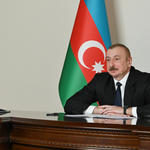
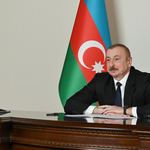
To note, Georgia is the only South Caucasus country which did not send any congratulations to Lukashenko. The Armenian and the Azerbaijani leaders, Nikol Pashinyan and Ilham Aliyev already sent their congratulations, with the former facing harsh criticism from the Armenian civil society for the move (Caucasus Watch reported).