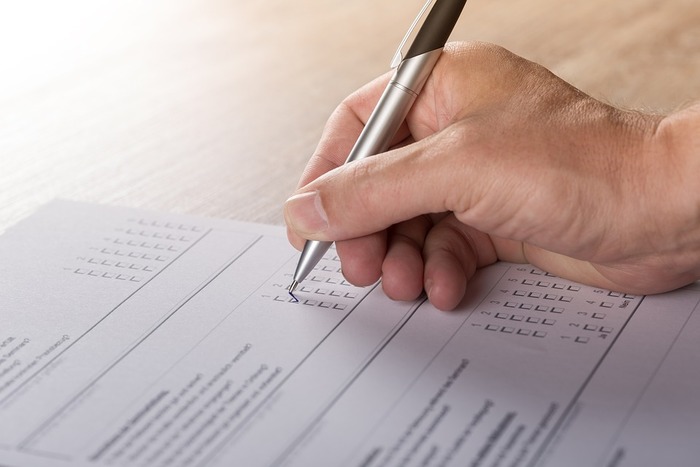
On 22 March, the National Democratic Institute (NDI) released its newest public opinion polls in Georgia, which were conducted from 17 to 24 February.
The polls highlighted that a year into the coronavirus pandemic, Georgians remain concerned about the state of the economy and healthcare. A quarter of the population reported either losing their job (13%) or experiencing salary/income reduction (12%) since the start of the pandemic, while a plurality said they remain unemployed. Georgians in the retail, construction, transport, and restaurant sectors were most affected by the pandemic. 50% of the questioned said that the government's economic programmes during the pandemic were effective, while 37% said that it was ineffective.
While the public continues to credit the government with managing the pandemic effectively (68%), they remain sceptical of forthcoming vaccinations. Less than half (42%) of Georgians believe that the government's vaccination plan is effective. Only 35% would choose to receive a vaccine, if given the option right now; 53% said they would not. Vaccine hesitancy was highest among women and individuals under the age of 55. Among those who are hesitant to receive the vaccine, the main reasons were concerns about the quality of the vaccine (48%) and the belief that they could overcome the pandemic without vaccination (20%).
On a political scale, the polls showed that the Georgian public wants to see the parliament focused on the issues of economy (79%), healthcare (34%), and education (22%). However, the Georgians remain sceptical of the parliament’s willingness to actually address their concerns. A majority did not believe parliament would take into account opinions of people like them (54%) and said that the parliamentarians would only serve their own interests (55%). The lack of faith in parliament likely contributes to low interest in engagement with the institution. When asked about the preferred form of communication, a plurality (39%) said they don’t want to be engaged with the parliament. A majority of Georgians also want to see more women in parliament; approximately half of the questioned were in favour of equal representation.