Georgien verurteilt ein weiteres illegales Abkommen zwischen Abchasien und Russland

Georgien verurteilt ein weiteres illegales Abkommen zwischen Abchasien und Russland

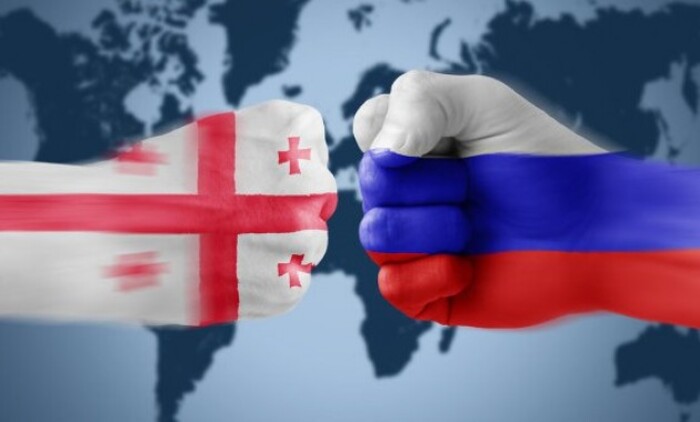
Der internationaler Druck auf Russland sollte erhöht werden, forderte der Generalsekretär des georgischen Präsidenten Tengiz Pkhaladze. Pkhaladzes Forderung richtete sich konkret auf die erst vor kurzem erfolgte Ratifizierung eines Abkommens, das die Zusammenarbeit zwischen Russland und der georgischen Region Abchasien bei der Bereitstellung von Medikamenten und medizinischer Versorgung für die in den besetzten Gebieten lebenden Russen stärken soll. Pkhaladze verurteilte außerdem das aus georgischer Sicht illegale militärische Abkommen zwischen Russland und der zweiten besetzten Zone des Landes, Zchinwali (Südossetien). Dieses sieht die Schaffung einer gemeinsamen Streitmacht vor. „Dies ist ein Schritt, der nicht nur die Sicherheit in Georgien, sondern auch in der Region verschlechtern wird“, so Pkhaladze.

Russland hat die zu Georgien gehörenden Regionen Abchasien und Südossetien nach einem militärischen Konflikt mit Georgien 2008 als unabhängige Länder anerkannt. Bis heute erkennen international nur vier Länder die abtrünnigen Regionen Georgiens als unabhängige Republiken an; das sind neben Russland Nicaragua, Venezuela und die Pazifikrepublik Nauru.

 

4041 Mal angesehen

ARTICLES IN ENGLISH»


MEISTGELESEN


AKTUELLES


OPINION


Call for Contributors: Caucasus Watch is looking for experts, journalists and fact-checking specialists!

“Caucasus Watch” is seeking local specialists from Georgia, Armenia, Azerbaijan and the North Caucasus region, to assist our research endeavours and help enrich our content.

“Caucasus Watch” is an independent platform, which provides coverage of recent developments in various locations of the Caucasus region for the German and overall European stakeholders. We are an international team of Caucasus enthusiasts and are currently looking for local contributors who focus on social, economic, political and security dynamics of the said region.

The platform offers: I) a flexible format of cooperation, as well as competitive remuneration; II) access to English and German speaking readership in the wider European region; III) an opportunity to join the network of regional specialists through the initiatives and events to be organized by the Caucasus Watch and partner institutions.

Interested individuals are asked to provide a CV and a cover letter along with an abstract or a writing sample (in English or German), to the following address: redaktion@caucasuswatch.de.

Additional questions can be directed to Igor Dostalik through: i.dostalik@caucasuswatch.de.