European Parliament Decides to Reject Russian Travel Passports Issued in Occupied Georgian Regions

European Parliament Decides to Reject Russian Travel Passports Issued in Occupied Georgian Regions

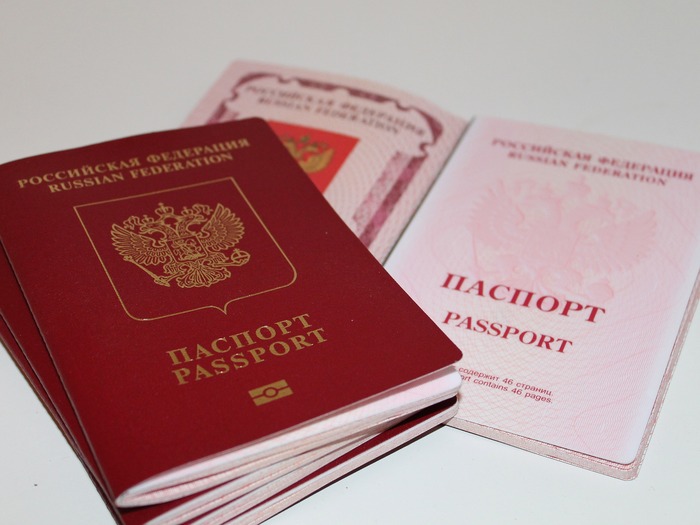
On October 20, the European Parliament decided to reject Russian travel passports issued in the seized parts of Georgia and Ukraine. 36 MEPs abstained, leaving 540 MEPs who voted in favor. 

The choice is by an understanding reached by EU ambassadors on October 12 that prohibits the use of Russian travel papers issued in or to residents of Russian-occupied Georgian or Ukrainian territory to apply for visas or enter Schengen borders. 

The final legislative act will then be negotiated by the European Parliament and the Council of the European Union. It will come into effect the day after it is published in the EU Official Journal after being approved by both institutions. 

The EU's condemnation of Russia's recognition of the independence of occupied Abkhazia and Tskhinvali/South Ossetia, as well as Russia's illegal annexation of Crimea, Sevastopol, Donetsk, Luhansk, Kherson, and Zaporizhzhia, the MEPs noted in their decision that EU member states and EEA allies should no longer accept travel documents issued by Russia in these regions.

881 Mal angesehen

ARTICLES IN ENGLISH»


MEISTGELESEN


AKTUELLES


OPINION


Call for Contributors: Caucasus Watch is looking for experts, journalists and fact-checking specialists!

“Caucasus Watch” is seeking local specialists from Georgia, Armenia, Azerbaijan and the North Caucasus region, to assist our research endeavours and help enrich our content.

“Caucasus Watch” is an independent platform, which provides coverage of recent developments in various locations of the Caucasus region for the German and overall European stakeholders. We are an international team of Caucasus enthusiasts and are currently looking for local contributors who focus on social, economic, political and security dynamics of the said region.

The platform offers: I) a flexible format of cooperation, as well as competitive remuneration; II) access to English and German speaking readership in the wider European region; III) an opportunity to join the network of regional specialists through the initiatives and events to be organized by the Caucasus Watch and partner institutions.

Interested individuals are asked to provide a CV and a cover letter along with an abstract or a writing sample (in English or German), to the following address: redaktion@caucasuswatch.de.

Additional questions can be directed to Igor Dostalik through: i.dostalik@caucasuswatch.de.